What to know before you choose
No chicken coop is predator proof. Some are far harder to get into than others, and the difference is in four details you can check on a product page: latches that lock, welded mesh or hardware cloth instead of chicken wire, a barrier against digging, and a closed house raised off the ground.
The mesh is the one people miss. Weasels "typically can get through chicken wire", says the Extension predator guide (a least weasel needs only a quarter-inch hole); raccoons sometimes pull a bird's head through the wires of an enclosure. The same guide recommends burying hardware cloth at least 12 inches to stop diggers, and a covered run against hawks and owls.
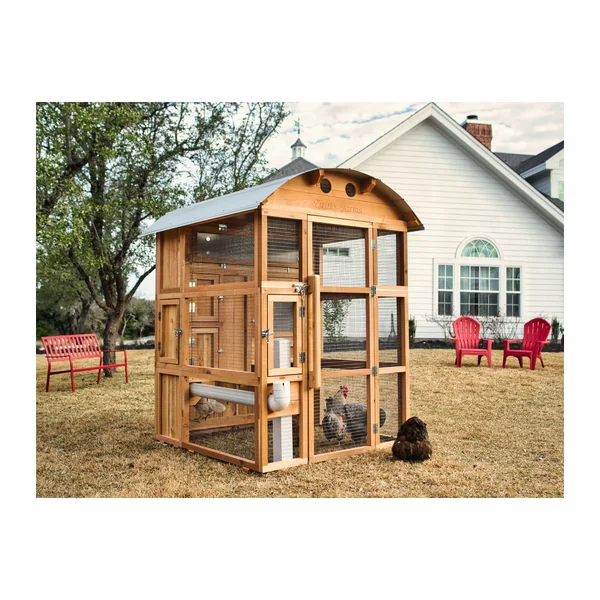
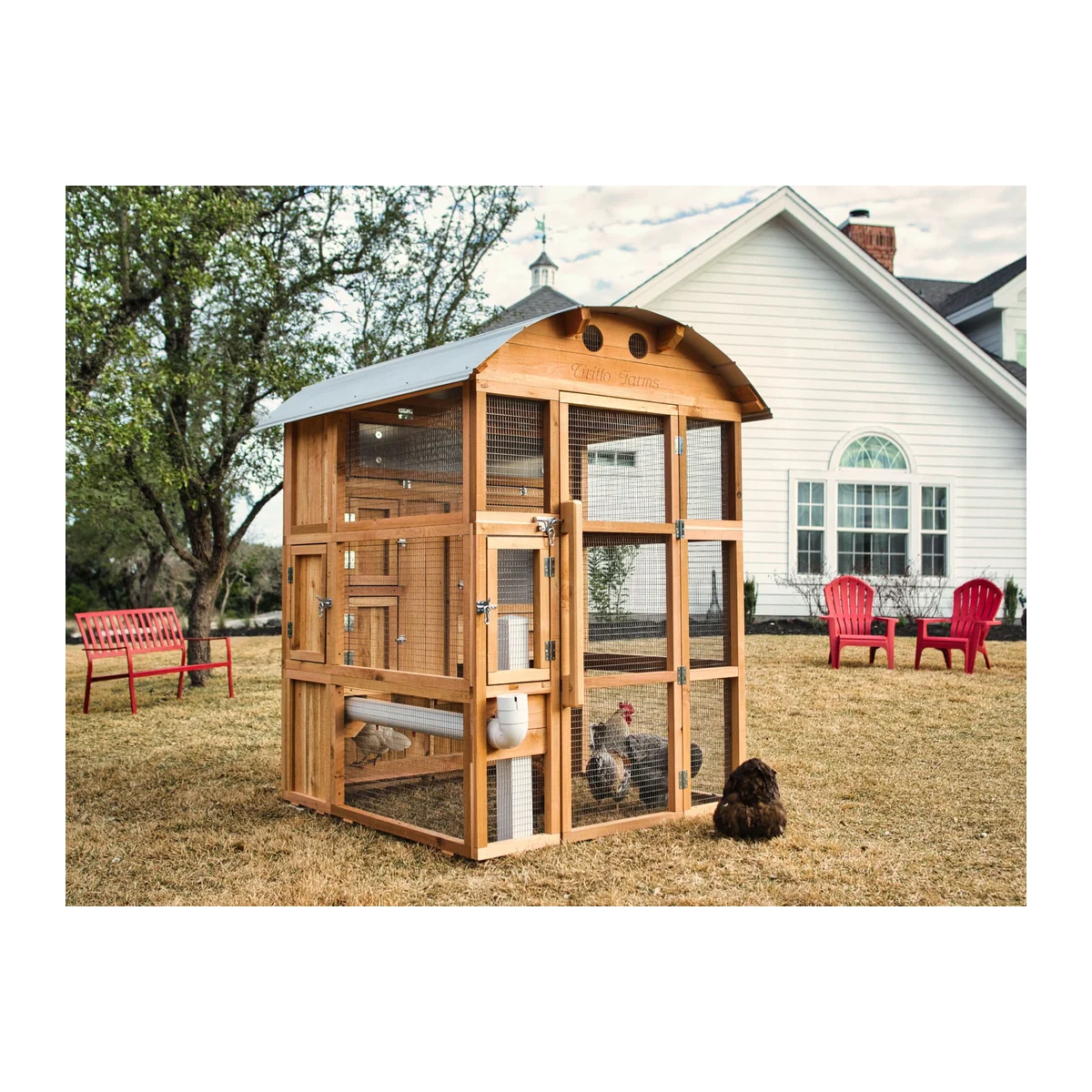
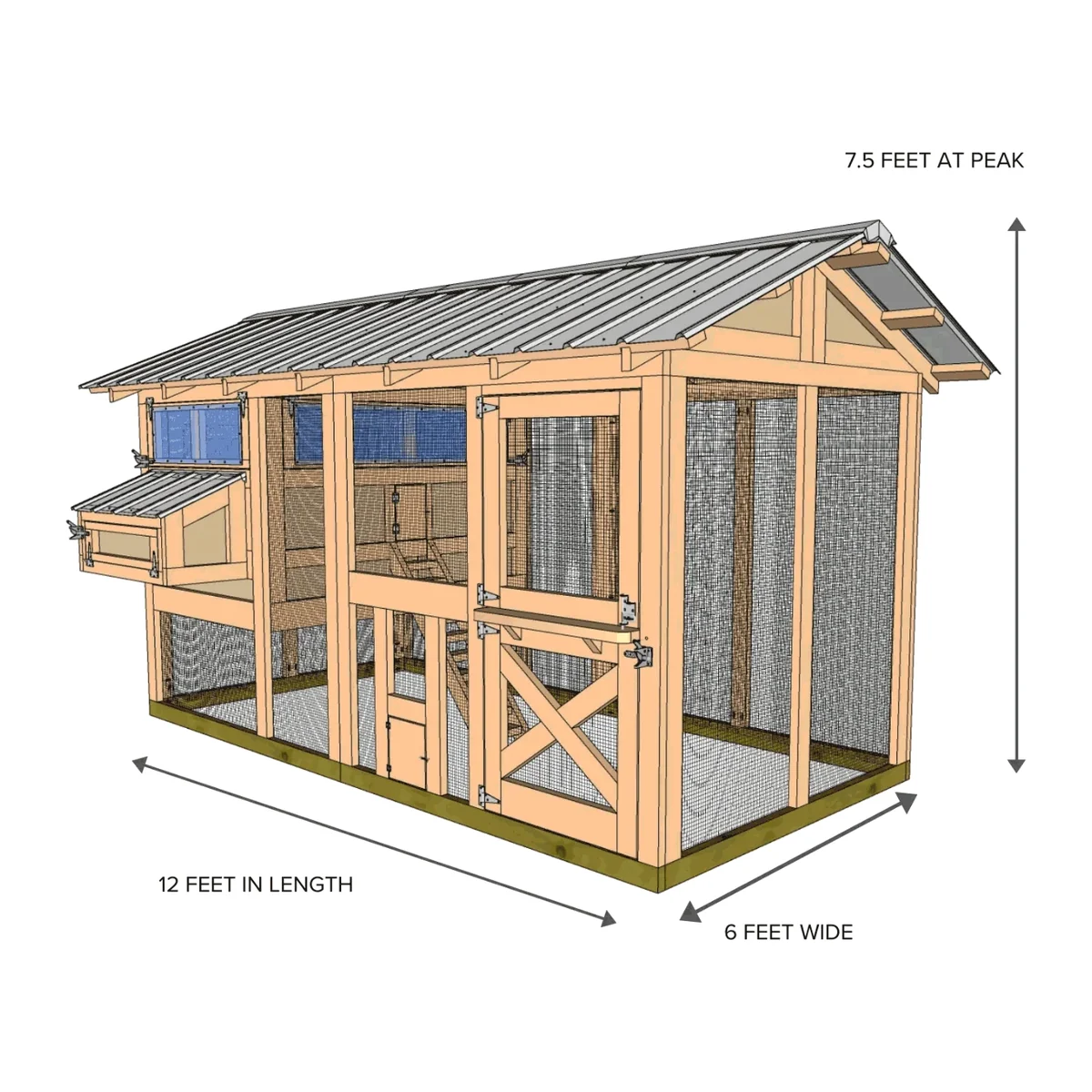
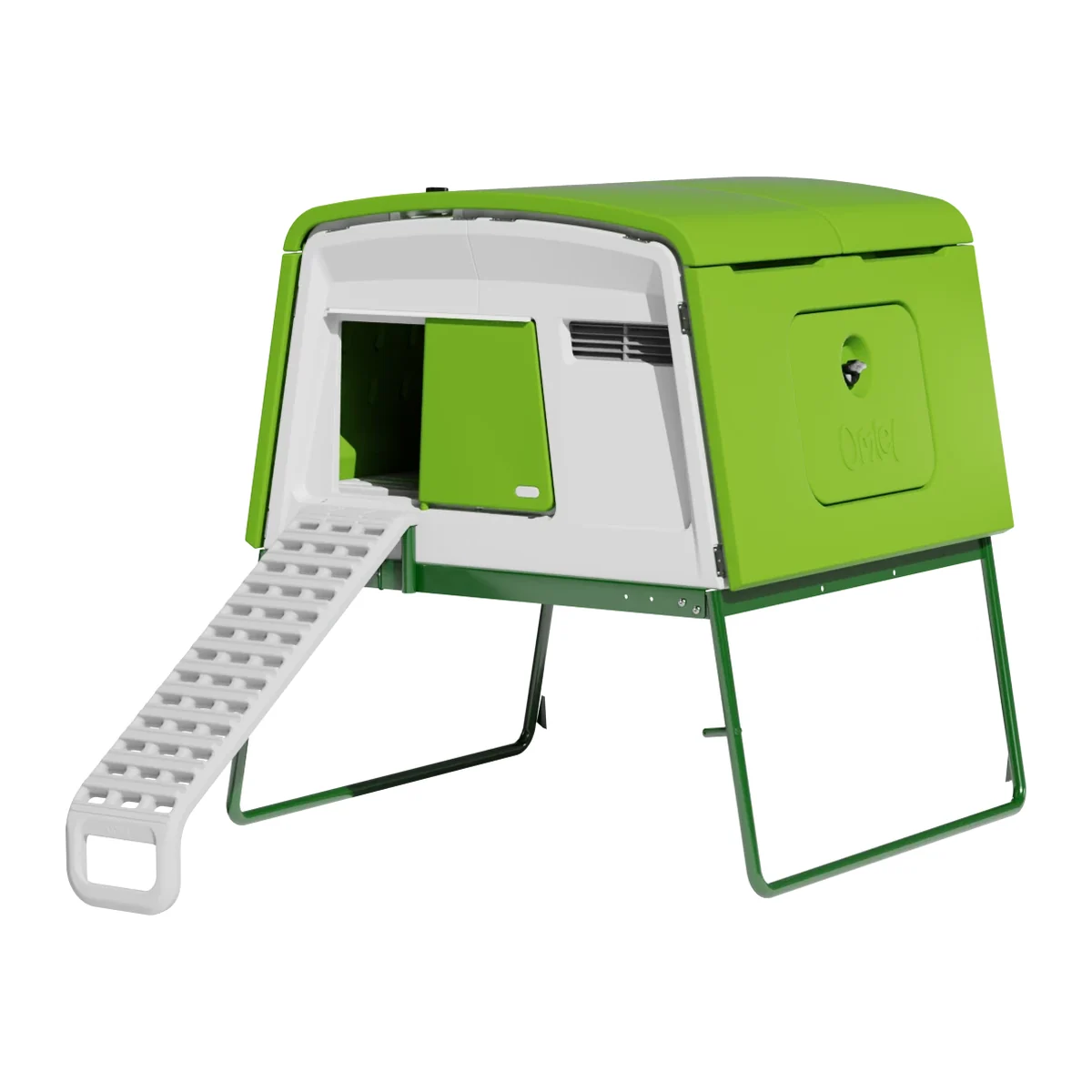
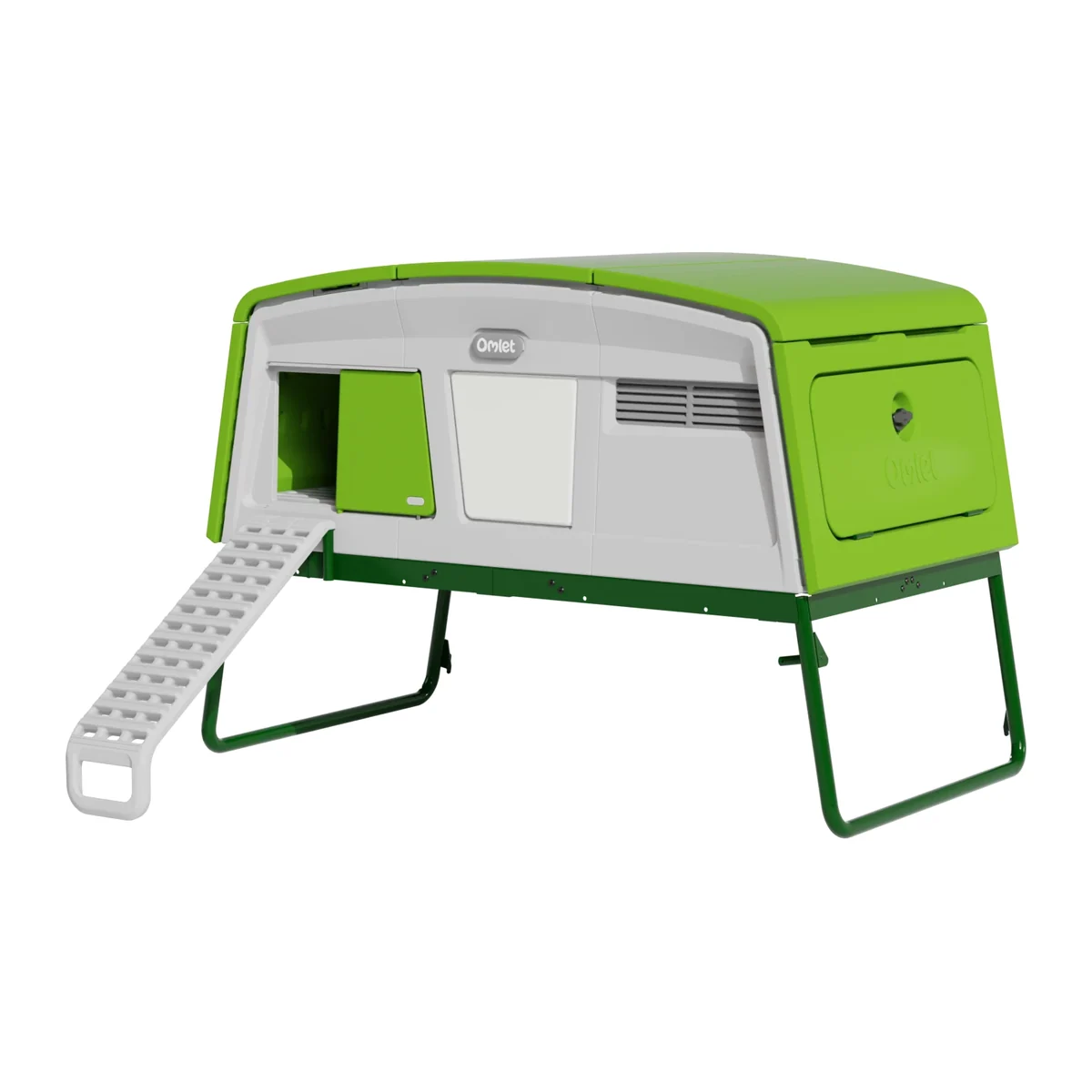
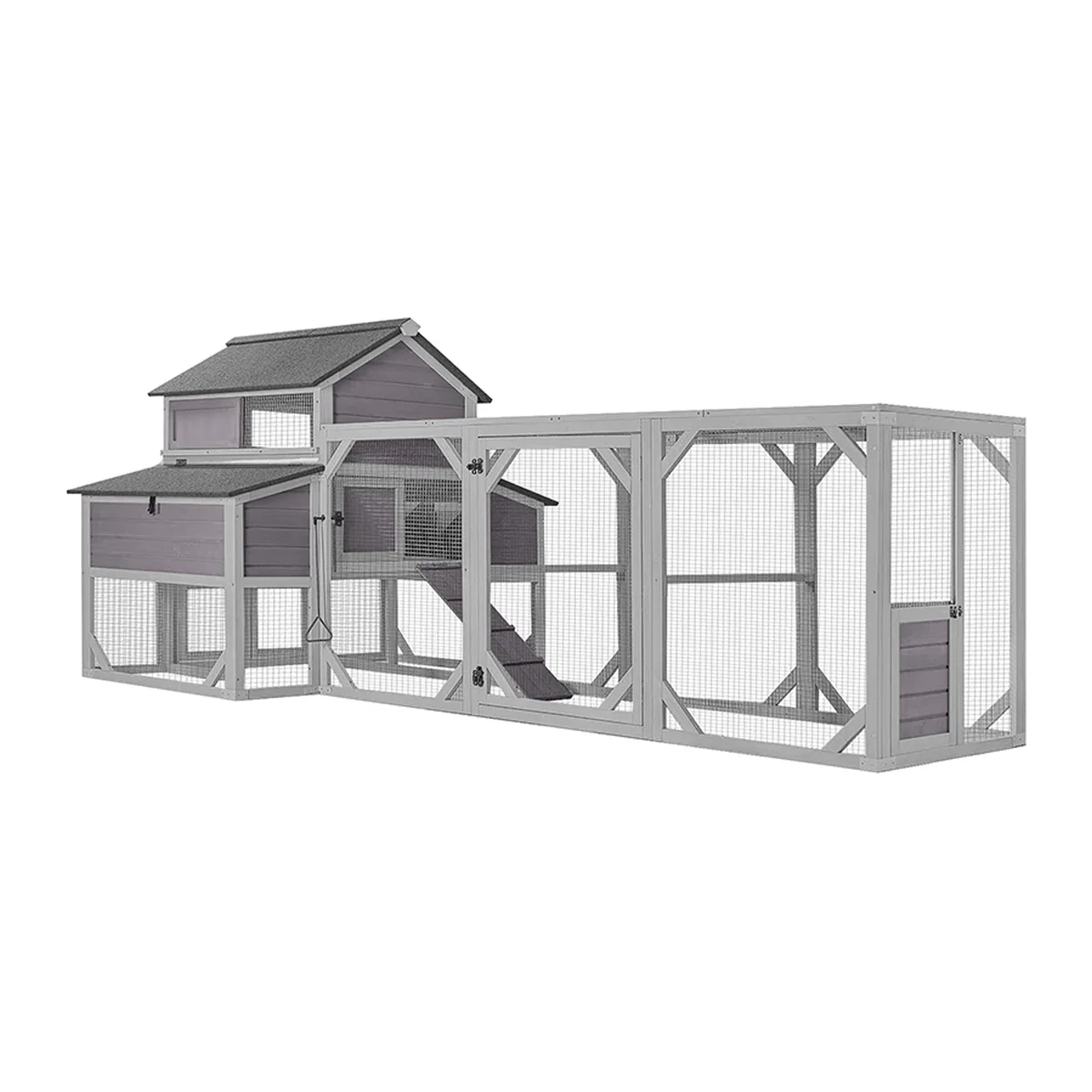
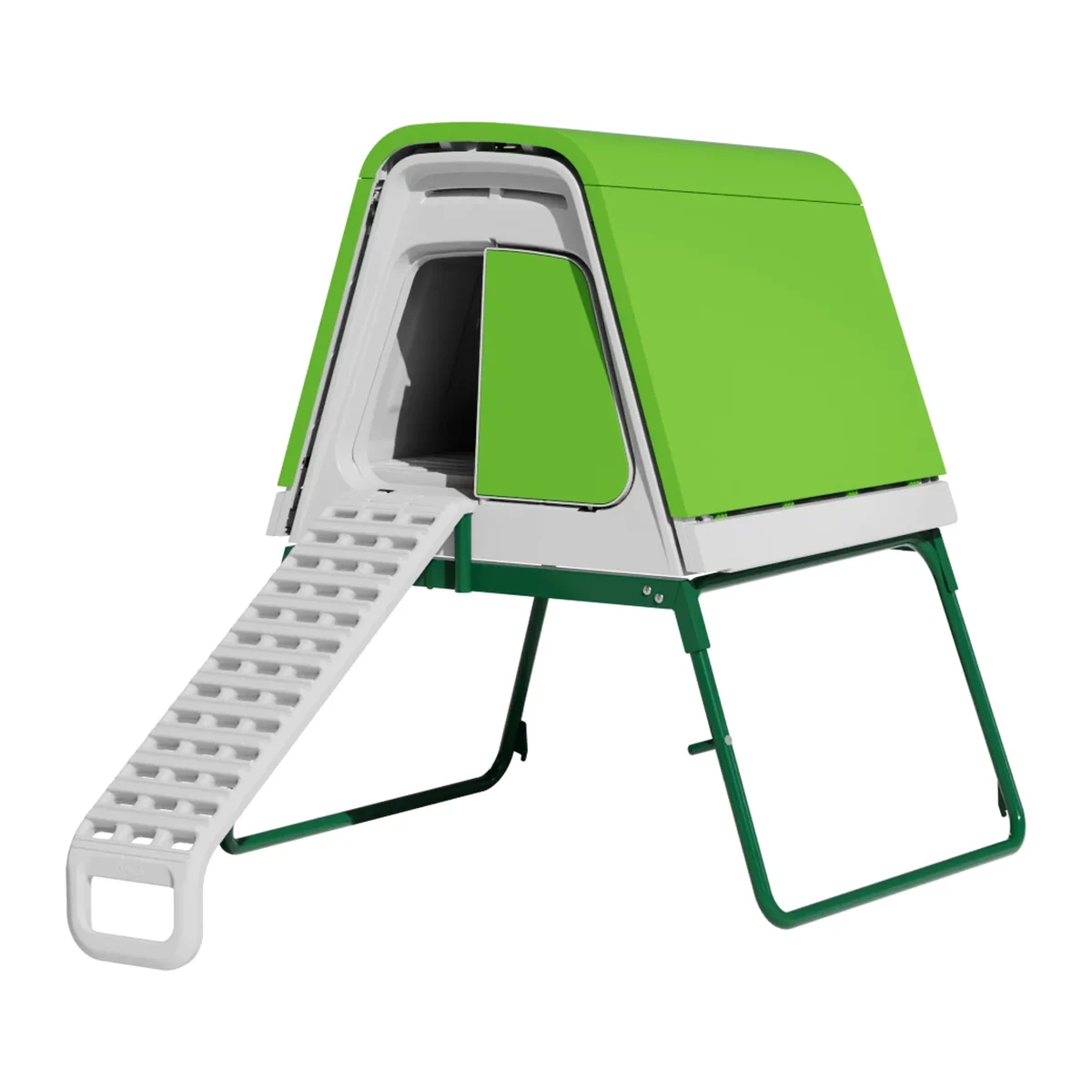
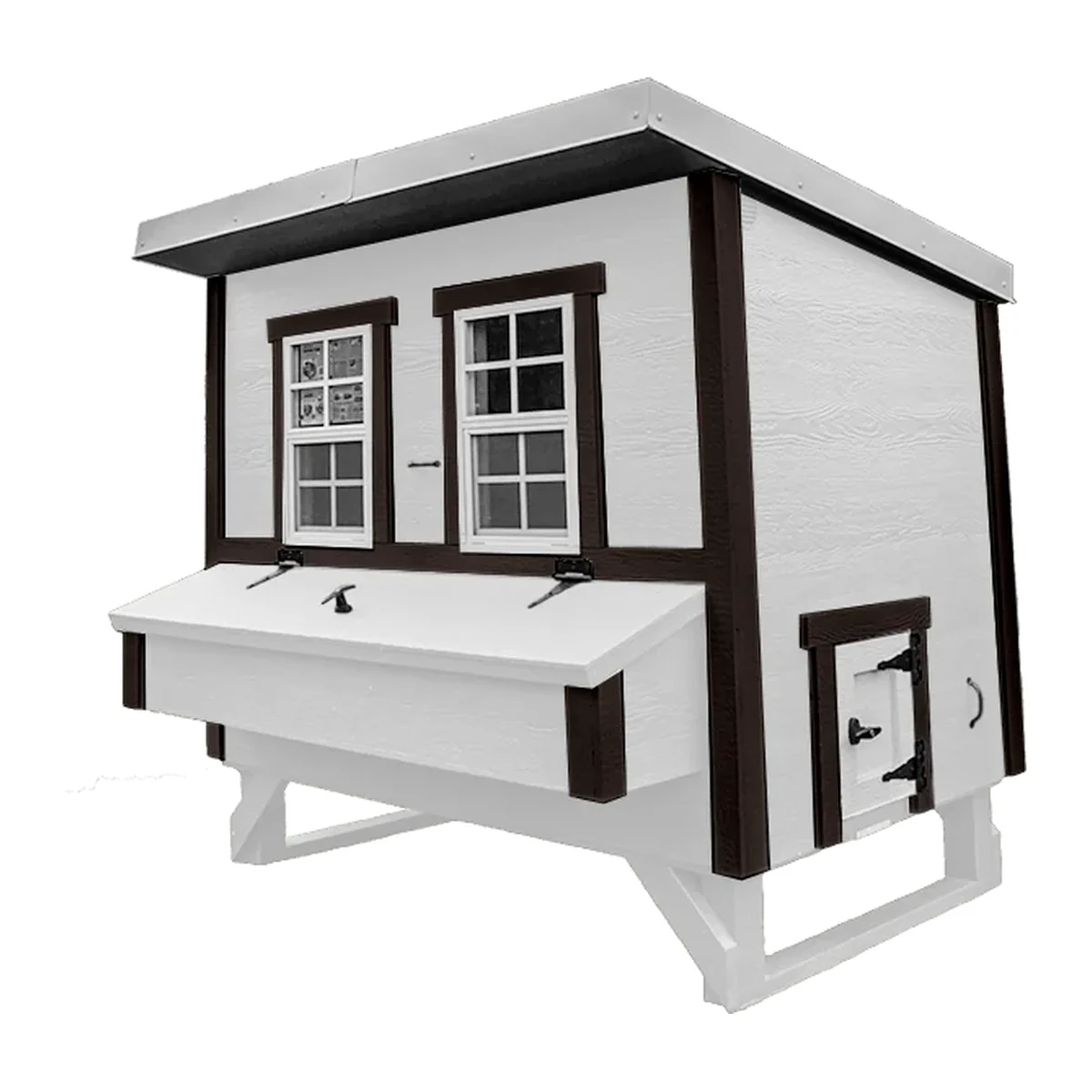
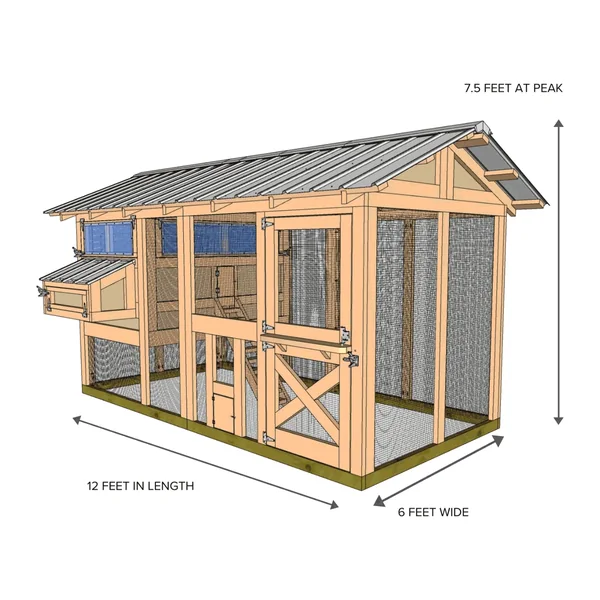
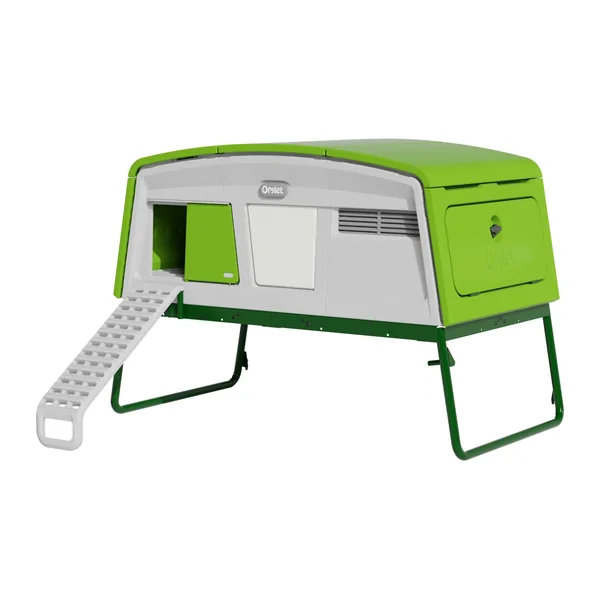
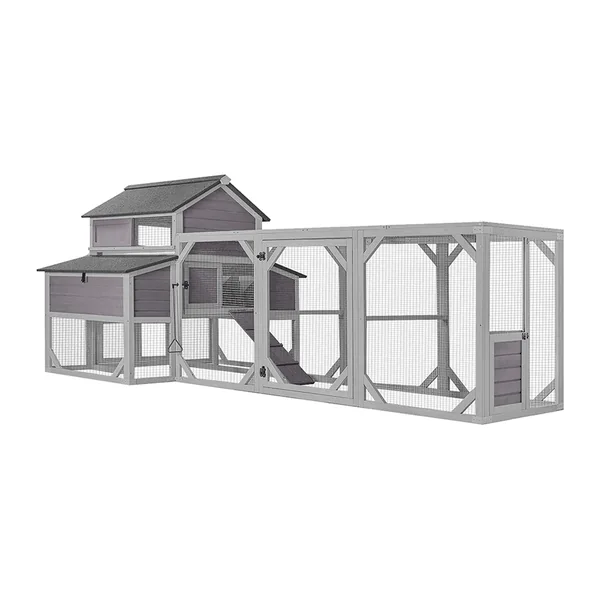
On this page those protections count for 45% of the order. The Roost & Root Stand-Up comes first, with welded livestock wire, heavy-duty latches and a closed raised roost area. The American Coop is the only one that states half-inch hardware cloth. None of the ten includes a dig barrier with the base coop: Omlet's anti-dig skirt comes with its run, which you add. Whatever you buy, the last protection is a door shut at dusk, by you or by an automatic coop door.
How this ranking is weighted
Every product keeps its overall score from the public formula. For this page we re-order the eligible products with the "Predator protection" weights: predator protection published 45%, run included in the price 15%, room per hen 10%, warranty 10%, and the rest for the other 5 criteria. The full table is on the methodology page.
Head-to-heads between products of this list: Omlet Eglu Cube vs Omlet Eglu Pro, OverEZ Large Coop vs OverEZ Medium Coop, OverEZ Large Coop vs OverEZ XL Coop, Roost & Root Walk-In Coop vs Roost & Root Stand-Up Coop, Omlet Eglu Go Up vs Aivituvin AIR46 Coop, Omlet Eglu Pro vs OverEZ Medium Coop.
Other rankings: best chicken coops, all ranked, chicken coop kit, chicken coop for 6 chickens, chicken coop for 10 chickens, walk in chicken coop, cheap chicken coop, automatic chicken coop door.
Hen counts, dimensions and warranty terms are each brand's own figures. City codes and HOA covenants decide whether you can keep hens and where a coop may sit: check yours before you order. This page helps you buy; it isn't legal or veterinary advice.
By Hannah Prescott, editor, backyard chicken coops · updated November 14, 2026