
Can I have chickens in my backyard?
By Hannah Prescott · · 5 min readWho decides whether you can keep chickens?
Your local government, mostly, and never the coop seller. The rules differ from one town to the next. The CDC's advice to new keepers starts there: "Check your state and local laws before selecting or buying baby chicks, adult poultry (hens, roosters), or waterfowl" (CDC, backyard poultry).
The national Extension poultry site sums up the pattern: "Many cities do not allow roosters or the butchering of animals", and "even where city ordinances may allow the keeping of chickens, many home owners associations do not" (Extension, urban poultry).
So there are two doors to knock on. The city or county, for the ordinance. And the HOA or your landlord, for the private rules that sit on top of it.

How do you find your city's rules?
Search your municipal code online for "chickens", "poultry" or "fowl", often under zoning or animals. If the wording is unclear, call the planning or code enforcement office and ask for the answer in writing.
Here are the questions worth asking, because codes handle them in different ways:
- Are hens allowed on a lot zoned like mine? Is a permit or a fee required?
- Is there a limit on the number of birds?
- Are roosters allowed? (Often not, as the Extension site notes.)
- Are there rules on where the coop stands, or on its size?
- What are the rules on cleanliness, odor and waste?
On the last point Extension is specific: "Regulations usually require that poultry housing be kept clean and free of bad odors", with proper disposal of waste. If you plan to sell eggs, ask about that too: "additional regulations apply if you want to sell your eggs or meat", says UMN Extension.
What if you live in an HOA?
Then the city's yes isn't enough. An association's covenants apply on top of the city code, and they can ban poultry outright. Read the covenants and the rules, search for "livestock", "poultry" and "animals", and ask the board in writing if the text is vague.
If the answer is no, the Extension site offers some hope: where ordinances prohibited chickens, "there are many groups that have succeeded in getting the ordinances" changed. That route takes neighbors and patience, and it's better started before a coop appears in your yard than after a complaint.
Renting? The lease and the landlord decide. Get the permission in writing.
How do you stay on good terms with the neighbors?
The Extension page points at the usual sore spots: noise, smell, and hens in the wrong garden. No rooster solves the first. A clean coop solves the second: composting poultry waste "controls odors and provides an excellent fertilizer", notes the Extension site.
The third is about fencing. "Chickens can do considerable damage to the landscaping of your neighbors yards", the same page warns. A run, or a coop with one built in, keeps your hens on your side of the line.
Then there's the oldest trick. If your hens lay more than you can eat, Extension suggests "sharing them with neighbors as part of a 'good neighbor' program". Half a dozen fresh eggs over the fence does more than any ordinance.
What health rules come with a backyard flock?
Two official sources matter here, and they say practical things.
For your family, the CDC: backyard poultry can carry Salmonella even when the birds look healthy and clean. Wash your hands with soap and water after touching birds, eggs or anything in their area. Keep a pair of shoes for the coop and leave them outside. Don't let poultry in the house. And "don't let children younger than 5 years old handle or touch chicks, ducklings, or other poultry". Collect eggs often, throw away cracked ones, and refrigerate them after collection.
For your flock, the USDA's Defend the Flock program: biosecurity is "our best defense", and wild birds can bring disease to domestic flocks. If birds are sick or dying, USDA asks you to report it to your State veterinarian or by calling 1-866-536-7593. On avian influenza specifically, USDA keeps a page of confirmed detections in commercial and backyard flocks; it dates the first confirmation of this outbreak in a commercial flock to February 8, 2022 and recommends looking at the last 30 days for the current picture. We read both pages on November 14, 2026: check them for today's situation in your state.
Which coop suits a yard with rules?
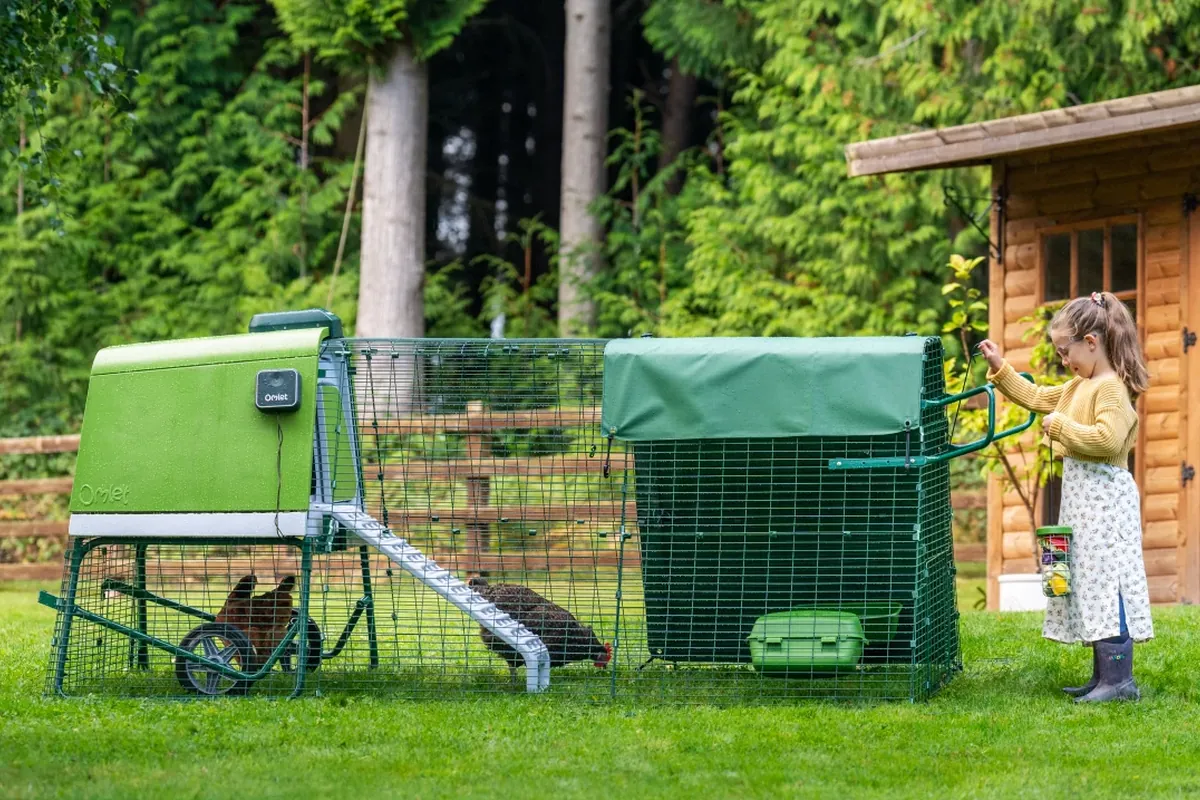
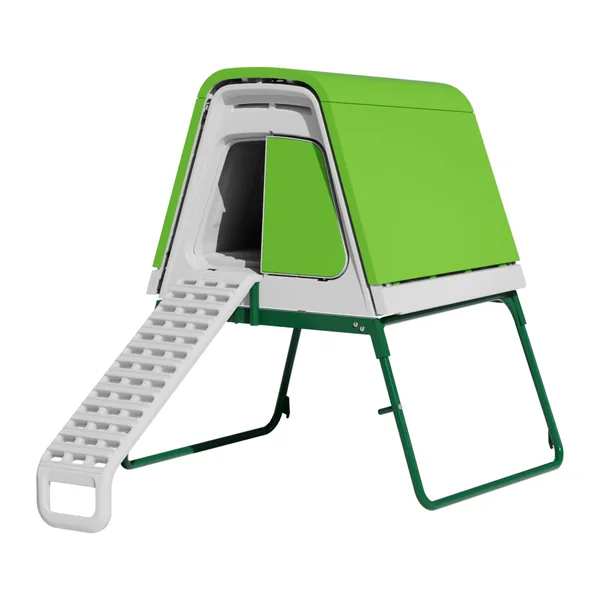
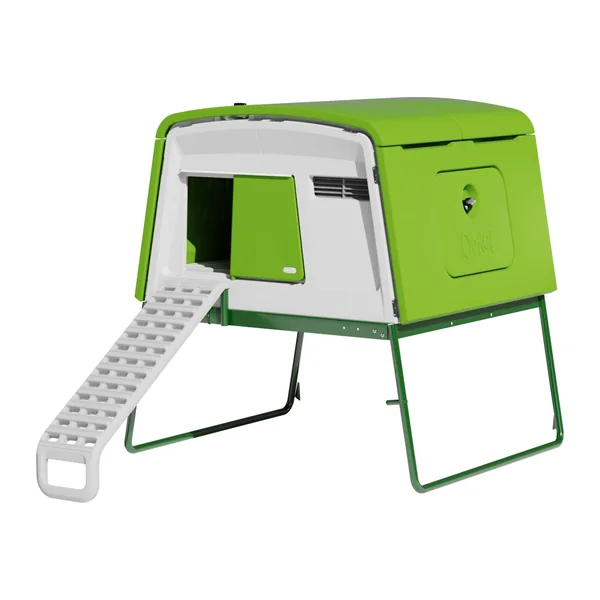
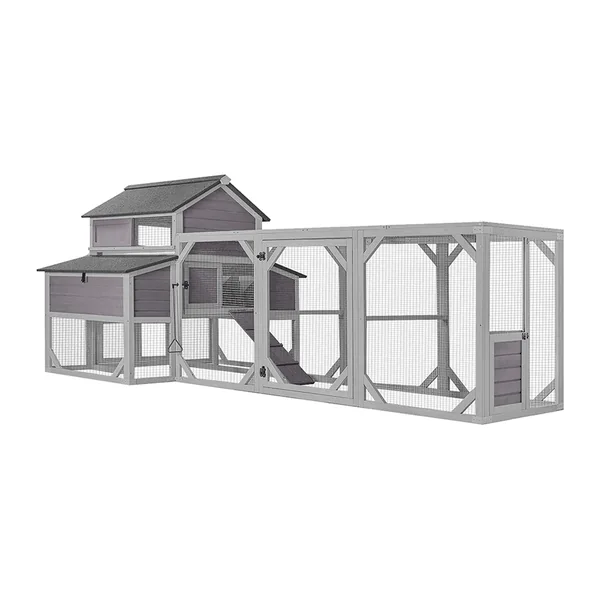
A small, tidy, enclosed one. If your town allows three or four hens, the Omlet Eglu Go Up ($639, 3 hens) with its run is built for exactly that case, and it cleans in minutes, which helps with odor. For up to six, the Eglu Cube is our No. 1 at 9.2/10.
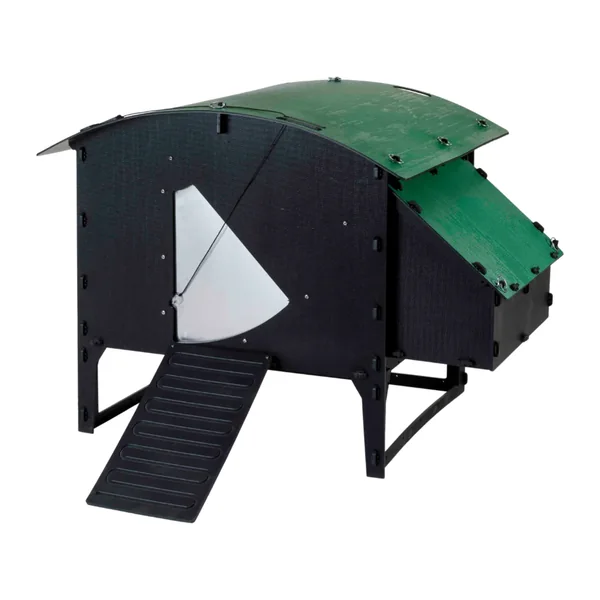
Both can be returned free of charge within 180 days, which matters if a rule you missed turns up after delivery. The Nestera Large Lodge costs less, but it can only go back unassembled.
Know your limit before you choose a size: our ranking of coops for 6 chickens and the coop size guide start from the number of hens you're allowed.
The products in this guide, side by side
| Product | ||||
|---|---|---|---|---|
| Hens, says the brand | 3 hens | 6 hens | 5 hens | 8 hens |
| Hens at 3 sq ft each | 2 hens | 3 hens | 3 hens | House size not published |
| Material | Plastic | Plastic | Plastic | Wood |
| Run | Not included | Not included | Not included | Included, 41 sq ft |
| Predator protection published | Locking latches, raised house | Locking latches, raised house | Raised house | Locking latches, welded mesh |
| Cleaning | Tray, hose-clean plastic | Tray, hose-clean plastic | Tray, hose-clean plastic | Pull-out tray |
| Warranty | 2-year | 10-year | 25-year | Not stated |
| Where to buy | Check price at Omlet | Check price at Omlet | Check price at Nestera | Check price at Aivituvin |
✓ marks the best figure of the row. Prices checked November 14, 2026 on each brand's own US store.
This guide helps you choose and budget a coop; it isn't legal or veterinary advice. City codes, county rules and HOA covenants decide whether you can keep hens and where a coop may sit: check yours before you order. For flock health questions, ask a vet or your state Extension office.