How to predator proof a chicken coop
By Hannah Prescott · · 5 min readWhich predators are you dealing with?
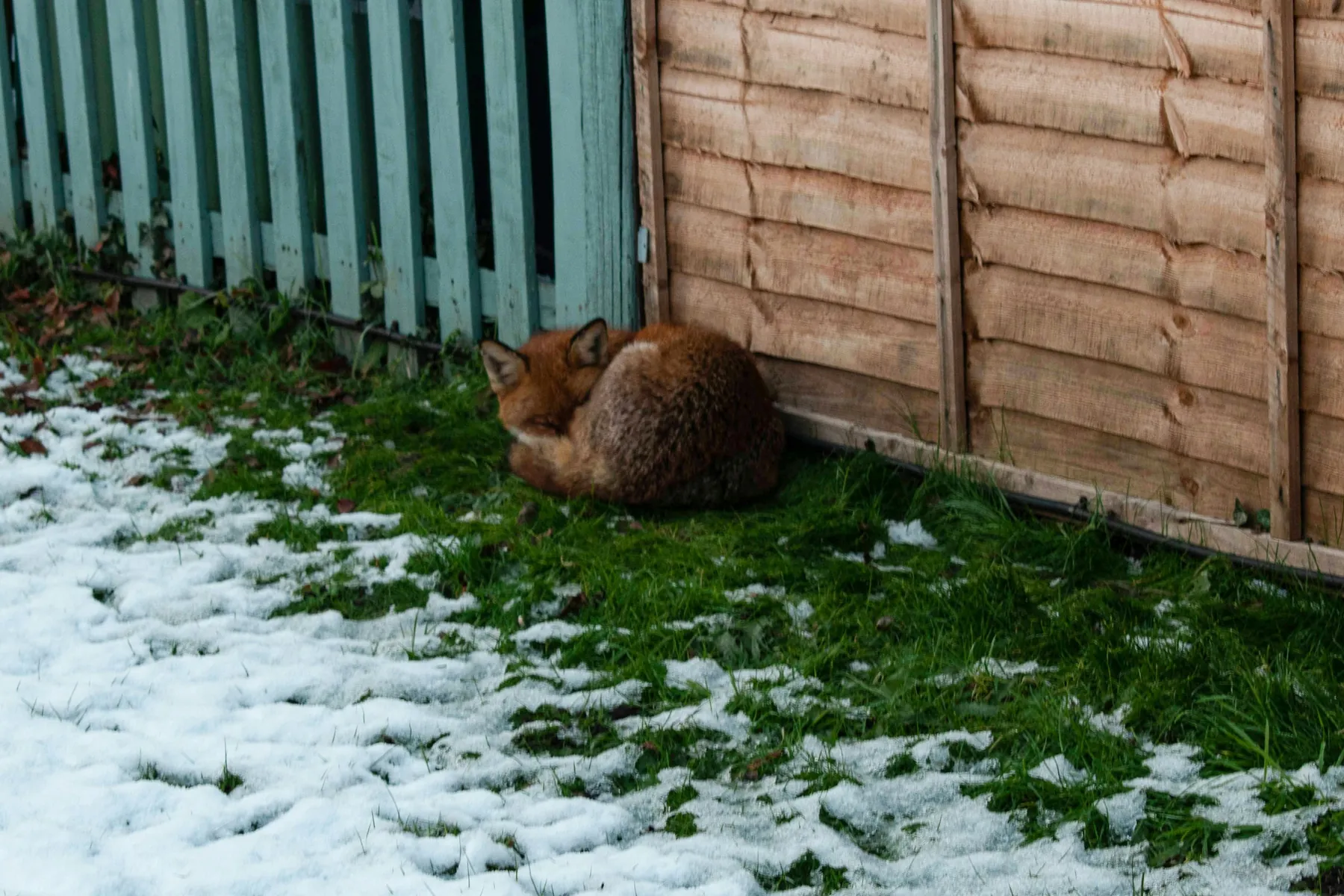
More than you'd think, even in town. The University of Minnesota names raccoons, rats, owls, hawks and cats as the main predators of backyard chickens (UMN Extension). The national Extension guide adds dogs, coyotes, foxes, bobcats, weasels, skunks, opossums and snakes (Extension, predator management for small and backyard flocks).
The same guide explains how to read the scene after a loss. Adult birds missing with no other sign: think dog, coyote, fox, bobcat, hawk or owl. Hawks take birds by day, owls by night. Birds dead but not eaten: possibly a weasel. Eggs missing: skunks, snakes, rats, opossums, raccoons, even jays and crows.
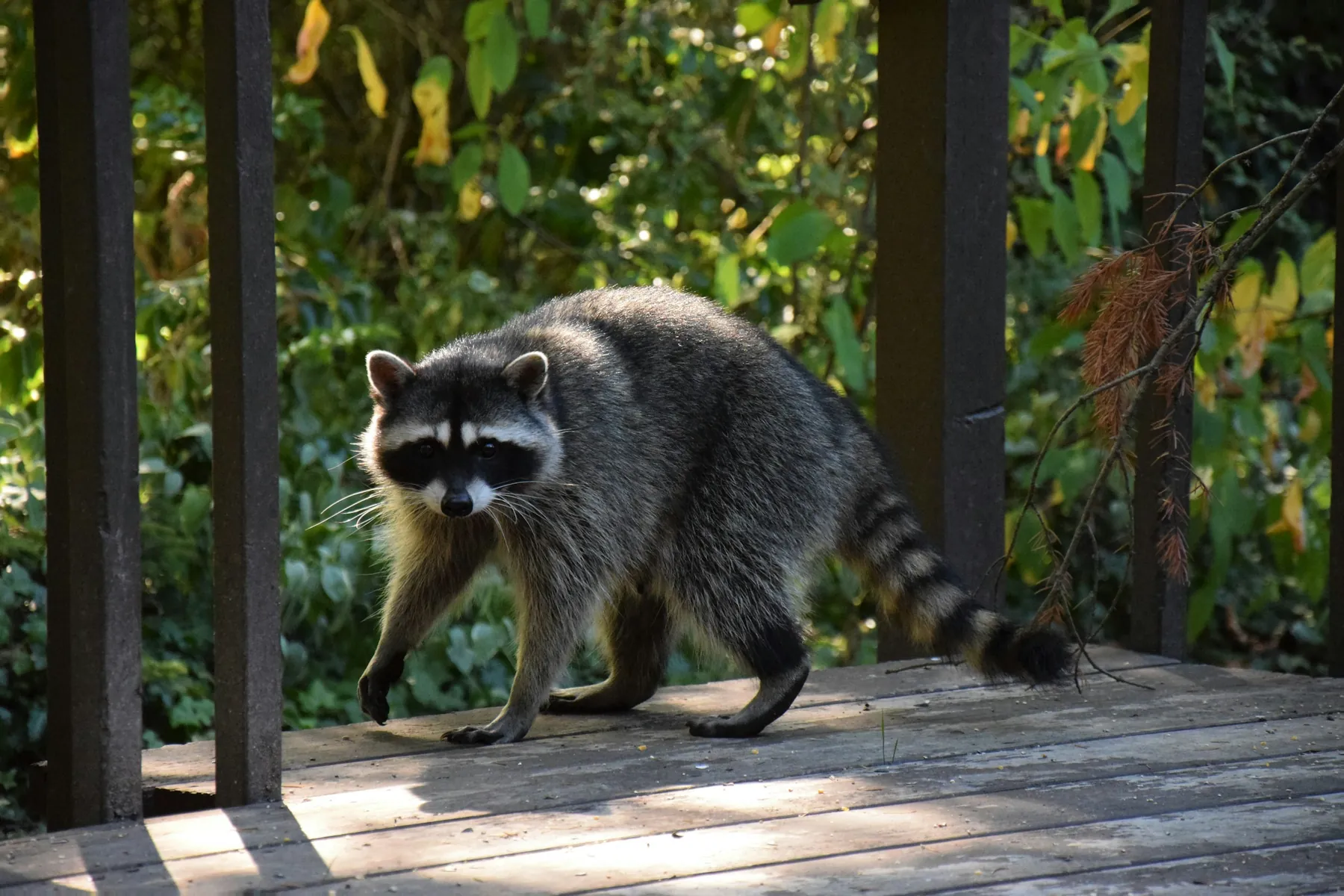
Raccoons deserve their reputation. They "enter poultry houses and take several birds in one night", and sometimes pull a bird's head through the wires of an enclosure. That one sentence explains two of the steps below.
Why isn't chicken wire enough?
Chicken wire keeps chickens in. It doesn't keep much out. The Extension guide notes that least weasels "can squeeze through holes as small as 1/4-inch in diameter" and "typically can get through chicken wire". Raccoons, as we saw, pull birds through the wire.
What to use instead: welded wire or hardware cloth. For persistent predators the guide suggests a run "covered with welded wire". Among the coops we compare, Carolina Coops states its mesh precisely (half-inch, 19-gauge, PVC-coated hardware cloth), Roost & Root uses welded livestock wire panels, and Omlet's runs are steel weld mesh with a tighter mesh on the lower half. Aivituvin's run is galvanised wire mesh with no gauge given.
If you already own a coop with light wire, you don't have to replace it all: line the lower part of the run with hardware cloth, the smaller the mesh the better.
How do you stop predators digging under?
The Extension instruction is short: "Bury hardware cloth at least 30.5 centimeters (12 inches) into the ground to deter diggers." The wording covers anything that digs, and the guide lists dogs, coyotes and foxes among the usual suspects.
There are two ways to do it. Trench around the run and bury the cloth vertically. Or lay it flat on the ground around the outside, pinned down, as an apron: Carolina Coops publishes a guide to that method for its own coops. Omlet's runs take the apron approach with an anti-dig skirt that comes attached.
None of the twelve coops in our comparison includes a dig barrier with the base coop, which is why none reaches 10 out of 10 for predator protection in our formula. Budget a roll of hardware cloth and an afternoon. Pavers under a small run do the same job.
Video: "How to Predator Proof a Chicken Run | Hardware Cloth Apron Method", Kings on the Hill on YouTube. Not made by us; chosen because it shows the product or the topic clearly.
What about hawks and owls?
They come from above, so the answer is a roof. "If a persistent hawk or owl is in an area, the easiest way to protect your flock is to use a covered run", says the Extension guide. It adds a detail few people know: for netting, orange is best "because hawks and owls see orange well", and loose or weak spots let hawks through.
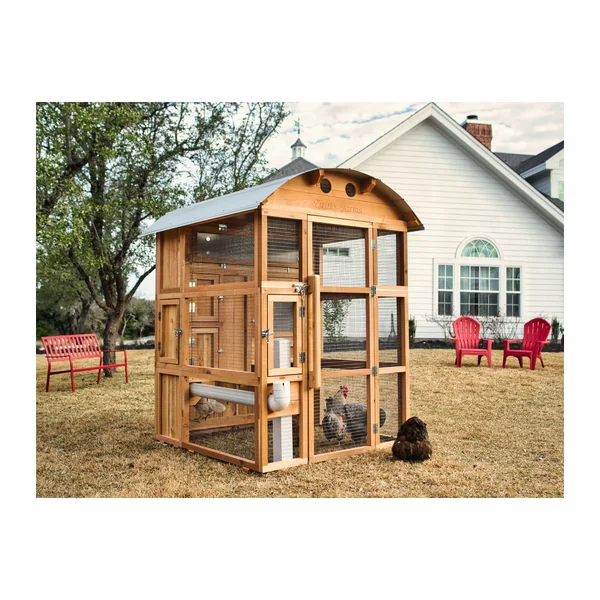
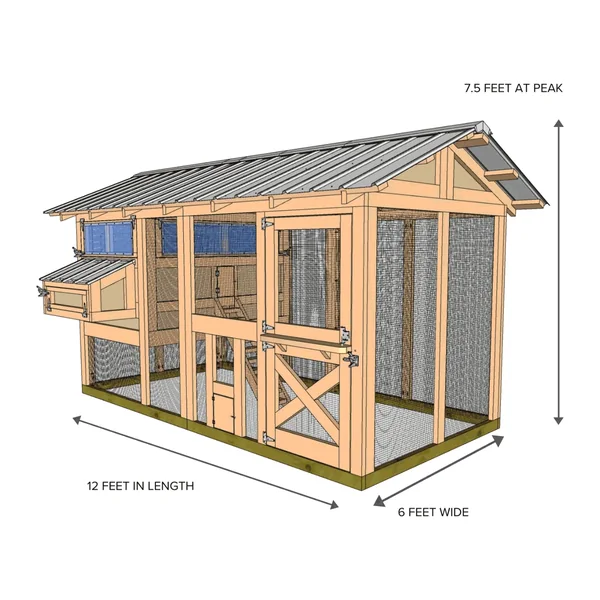
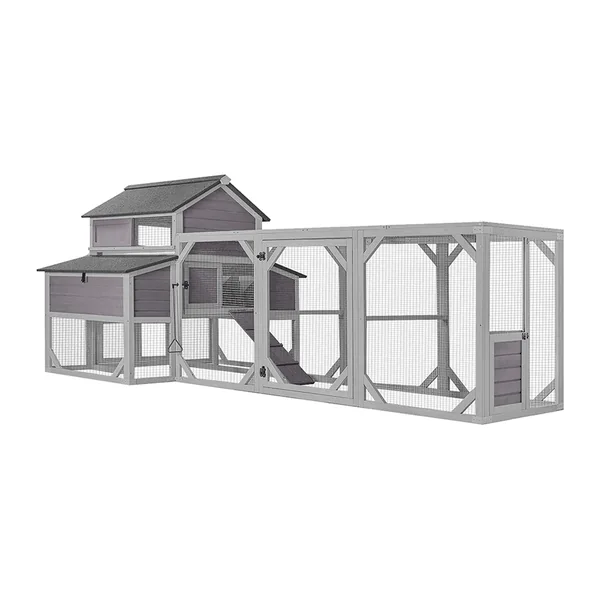
Walk-in coops solve this by design. The Roost & Root Stand-Up, its bigger Walk-In and the Carolina Coops American Coop all put the run under the coop's own roof. Omlet's runs are weld-mesh enclosures, and Aivituvin's run is fully enclosed in wire mesh.
The guide also suggests removing isolated trees and other perching spots near the flock, and it's blunt about two popular tricks: lights disturb laying, and predators get used to noise makers.
Why does the door matter so much?
Because the night is when a coop is tested. UMN's routine is simple: "let them out of the coop each morning and put them back in at dusk each night." The Extension guide says to have the flock roost in a secured place, "making sure to close and lock all doors".
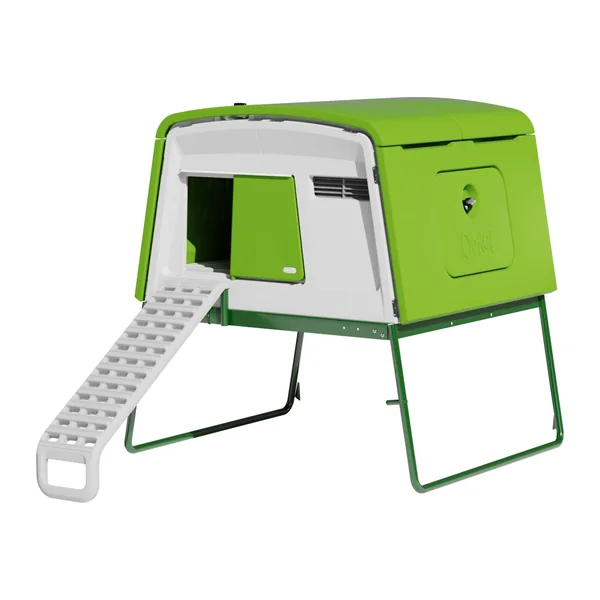
Lock is the word to keep. Look for latches that take two movements: Omlet's Eglu coops have two-step push-and-twist locks, OverEZ fits lockable latches on the egg box, the man door and the chicken door, and Roost & Root describes heavy-duty latches. Where a product page names no lock at all (Nestera's and Formex's didn't, the day we read them), add a hasp and a carabiner.
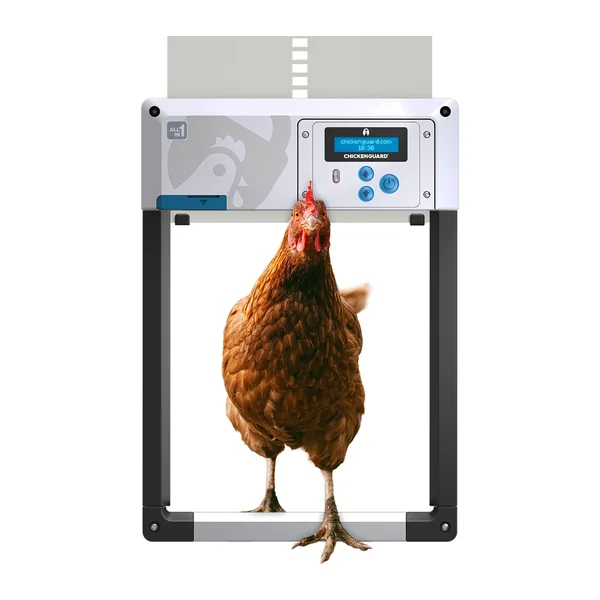
Then make dusk automatic. An automatic chicken coop door closes the pop hole on its own. Pick one that locks when shut: the ChickenGuard All in One ($119.99) is self-locking, and the Run-Chicken T50 has a motor lock.
Which coops come closest to predator proof?
We score four published protections: locking latches, welded mesh or hardware cloth, a dig barrier, and a closed house raised off the ground. Three coops publish three of the four: the Roost & Root Stand-Up and Walk-In, and the Carolina Coops American Coop. The Omlet Eglus and the OverEZ coops publish two (locks and a raised house), and the Omlets gain the mesh and the skirt when you add their run.
Our predator-proof chicken coop ranking orders them with those protections counting for 45%. Wherever you land, keep the yard tidy too: UMN advises clearing woodpiles and equipment near the coop, because they shelter the animals you're trying to keep away, and checking the coop for small holes.
If losses continue despite all this, the Extension guide points to state and federal wildlife services. It also reminds keepers that hawks and owls are federally protected: you may not legally shoot or trap them.

The products in this guide, side by side
| Product | ||||
|---|---|---|---|---|
| Hens, says the brand | 6 hens | 18 hens | 6 hens | 8 hens |
| Hens at 3 sq ft each | House size not published | 8 hens | 3 hens | House size not published |
| Material | Wood | Wood | Plastic | Wood |
| Run | Included, 27 sq ft | Included, 72 sq ft | Not included | Included, 41 sq ft |
| Predator protection published | Locking latches, welded mesh, raised house | Locking latches, welded mesh, raised house | Locking latches, raised house | Locking latches, welded mesh |
| Cleaning | Stand-up access | Deep litter, walk in | Tray, hose-clean plastic | Pull-out tray |
| Warranty | 2-year | Not stated | 10-year | Not stated |
| Where to buy | Check price at Roost & Root | Check price at Carolina Coops | Check price at Omlet | Check price at Aivituvin |
✓ marks the best figure of the row. Prices checked November 14, 2026 on each brand's own US store.
This guide helps you choose and budget a coop; it isn't legal or veterinary advice. City codes, county rules and HOA covenants decide whether you can keep hens and where a coop may sit: check yours before you order. For flock health questions, ask a vet or your state Extension office.